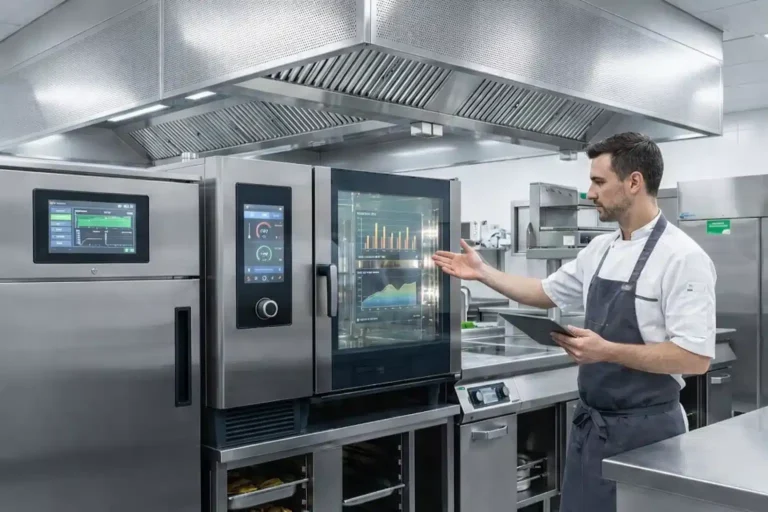
AI is changing foodservice design, equipment and operations, but human judgment still matters. Explore what the technology means for consultants and clients.
Discover how FCSI membership connects foodservice consultants worldwide through trusted expertise, global collaboration, professional development and fellowship.
Learn how integrated commercial kitchen equipment solutions improve workflow, food safety, efficiency and consistency across foodservice, manufacturing, healthcare and aged care operations.
Learn how Simco Catering Equipment is helping Australian hospitality businesses with affordable, durable commercial kitchen solutions and new product innovations.
Sponsored content provided by Meat & Livestock Australia As consumer expectations rapidly change, economic pressures reshape dining habits, and global influences land on local menus almost instantly; the expectation on foodservice is to deliver value, excitement, and differentiation – often simultaneously. Rare Medium developed its annual Red Meat Trends resource
Sponsored content provided by Foodie Coaches Payday super is coming. And honestly? It’s the best thing that’s happened to payroll in Australia. Payday super starts 1 July 2026. I’ll be straight with you — it’s what should have happened when super was first introduced. From that date, every time you
Sponsored content provided by Federal Hospitality Equipment Australia’s supermarket and convenience store sector is changing quickly. Customers expect fresh food, hot food, cold drinks, takeaway meals, reliable packaging and fast service — often from the same store, at the same time. The old idea of a convenience store as a
Sponsored content provided by Creative Ingredients Walk into a modern kitchen today and you’ll notice something subtle, but significant: desserts are moving back in-house. Not as a nostalgic return to tradition but as a strategic shift in how hospitality venues define themselves. For years, gelato and pastry were often outsourced
Walk through any commercial kitchen and you’ll find wipes. On the bench, near the grill, beside the prep station. What most operators don’t realise is that nearly all of them are made with plastic, and every time they’re used near food, they leave something behind. It’s one of those industry-wide