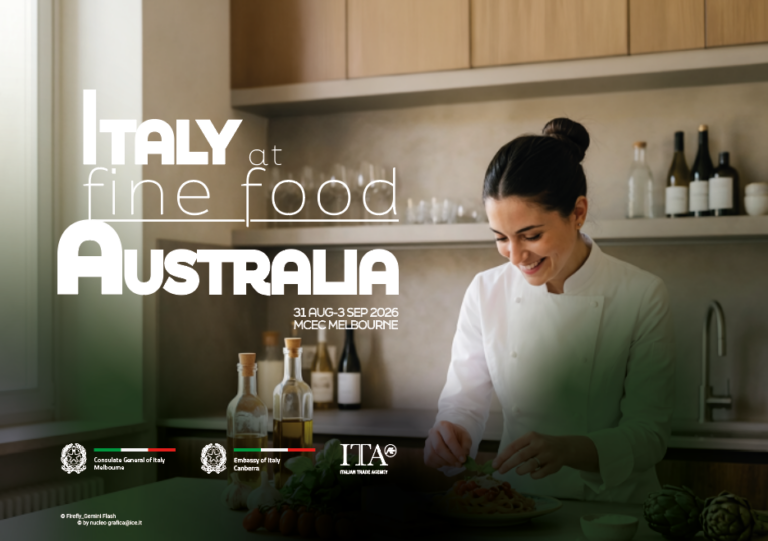
31 AUG - 3 SEP 2026 | Melbourne Convention & Exhibition Centre

Hospitality

Australian hospitality is a resilient industry. For the financial year ending June 2025, cafés, restaurants and takeaway food services recorded $66.27 billion in turnover, a 2.5% increase year on year according to data from the Australian Bureau of Statistics. Public holidays are a meaningful part of that trading picture. But

Sponsored content provided by Foodie Coaches Payday super is coming. And honestly? It’s the best thing that’s happened to payroll in Australia. Payday super starts 1 July 2026. I’ll be straight with you — it’s what should have happened when super was first introduced. From that date, every time you

Sponsored content provided by Federal Hospitality Equipment Australia’s supermarket and convenience store sector is changing quickly. Customers expect fresh food, hot food, cold drinks, takeaway meals, reliable packaging and fast service — often from the same store, at the same time. The old idea of a convenience store as a

Sponsored content provided by Creative Ingredients Walk into a modern kitchen today and you’ll notice something subtle, but significant: desserts are moving back in-house. Not as a nostalgic return to tradition but as a strategic shift in how hospitality venues define themselves. For years, gelato and pastry were often outsourced

The hospitality industry has always been about people. Whether it’s the warm smile at the front desk, the personalised recommendations at a restaurant, or the barista who remembers your order, hospitality is built on human connection. Yet, artificial intelligence (AI) is emerging as a powerful force that is transforming this

Sponsored content provided by ARCA Australia’s restaurant and café sector has always been resilient. It has survived pandemics, supply shocks, labour shortages, and shifting consumer behaviour. But in 2026, operators are confronting something different: three structural pressures arriving at the same time-each capable of reshaping the economics of running a

Mental health in the restaurant industry has become one of the sector’s most pressing challenges. With 76% of hospitality workers reporting mental health struggles during their careers, operators who prioritise wellbeing aren’t just doing the right thing. They’re building more resilient, productive teams. The Numbers Tell a Confronting Story Recent

Hospitality is one of the most complex business models in Australia. In today’s economic climate, venues with strong systems consistently outperform those relying on instinct or firefighting. According to James O’Connell, Founder of The Hospitality Company, operators who embrace systemisation gain clarity, control and commercial stability in a way that passion alone can’t deliver.  Hospitality

Commercial kitchen profitability, Rising costs, shrinking margins and constant operational pressure are redefining how kitchens need to operate. According to Andrew Briese, Founder of Cooking the Books, profitability now relies less on instinct and more on discipline, consistency and intelligent systems. His core message is simple: a kitchen becomes profitable

 Artificial intelligence (AI) isn’t a future concept for hospitality. It’s already reshaping how operators run venues, connect with guests, and manage their business.   Leaders across booking software, staffing technology and multi-venue operations agree: operators who begin experimenting now gain a clear commercial edge.  Rather than replacing human connection, AI is