
Hospitality is one of the most complex business models in Australia. In today’s economic climate, venues with strong systems consistently outperform those relying on instinct or firefighting. According to James O’Connell, Founder of The Hospitality Company, operators who embrace systemisation gain clarity, control and commercial stability in a way that passion alone can’t deliver.
Hospitality Is Complex, But Systems Make It Manageable
James describes hospitality as a uniquely demanding model: operators must manage production, people, live service and fluctuating demand all at once. Many enter the industry because they love coffee, cooking or people… but passion doesn’t simplify operations.
“The food and beverage industry is a very complex business model,” he reminds us. Systemisation turns that complexity into something predictable. When operators build clear processes, they stop relying on memory, improvisation and goodwill, and start running businesses with intention.

Systems Reduce Stress and Unlock Creativity
One of the biggest misconceptions is that systems limit personality. James argues the opposite: chaos is what limits creativity.
“The fun and the creativity come afterwards,” he explains, noting that operators often try to build culture or innovation before establishing structure.
When teams know how to close the venue, handle prep, manage service flow or run ordering, they stop operating in survival mode. Energy that once went into solving avoidable problems can instead fuel ideas, experiences and hospitality.
Operators Are Busy, But Not Always With the Right Things
James sees a trend across thousands of venues: owners are overwhelmed, but not because they’re doing too little. They’re doing too much of the wrong things.
He defines three “Business First Things”: outstanding food and beverage; outstanding experiences for guests and staff; and outstanding finance.
Most venues excel at the first two. The third, the financial and operational infrastructure, is often neglected. Without systems to maintain it, even strong venues become fragile.

Strong Systems Improve the Experience for Everyone
Good systemisation changes the daily reality for staff, guests and owners.
James believes one of the greatest gifts leaders can give their team is “an environment that can be mastered.” When processes are clear, staff feel confident, onboarding becomes simpler and performance becomes consistent. Guests also feel the difference instantly. James recalls walking into a venue where “no one knew what the system was,” leaving him confused and disengaged… a simple but costly gap in the service model.
For owners, systems create freedom. Without them, the business relies entirely on their presence. With them, managers lead more effectively, and operators gain the ability to step away without compromising quality.
The Most Successful Operators Build One Integrated Operating System
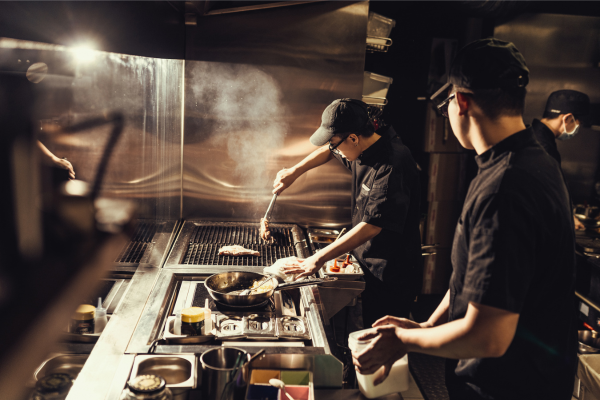
James encourages operators to view their business as a single, unified operating system rather than disconnected checklists. When staff understand this, following systems becomes part of the venue’s identity, not just a task.
He explains that when checklists or SOPs are ignored, it’s not a small oversight. It’s breaking the operating system. This clarity elevates expectations and builds teams who take pride in consistent execution.
Systemisation Unlocks Scalability and Owner Freedom
When venues move from reactive to systemised operations, they become scalable. Staff can step into responsibilities with confidence. Managers evolve from task-runners to leaders. Owners gain back their time, creativity and energy.
James shares stories of operators who, after years of being tied to the pass, took their first proper holiday because the business finally operated without them. That freedom is not accidental, it is built through systems.
Ultimately, systemisation gives operators the choice to grow, innovate or simply breathe again.
The Future of Hospitality Belongs to Systemised Venues
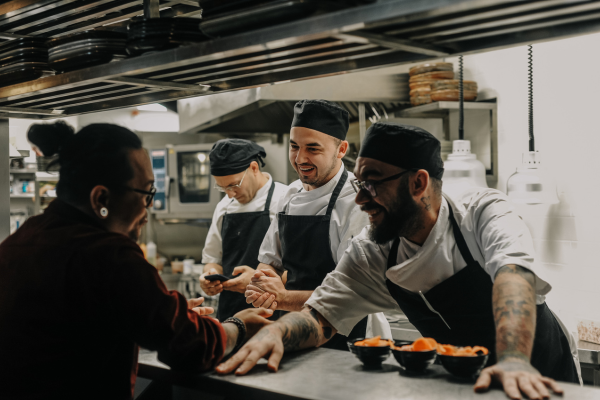
Operators who treat systemisation as a strategic advantage build stronger cultures, better experiences and more profitable businesses. Those who don’t risk staying trapped in the cycle of daily crisis management.
Systemisation isn’t about restriction. It’s about unlocking potential… for the venue, the team and the owner.
This content was bought to you by Crunch Hospo, supporting operators with tools and training for modern hospitality.
Enjoy insights like this? Subscribe to Fine Food Australia to stay in the loop.