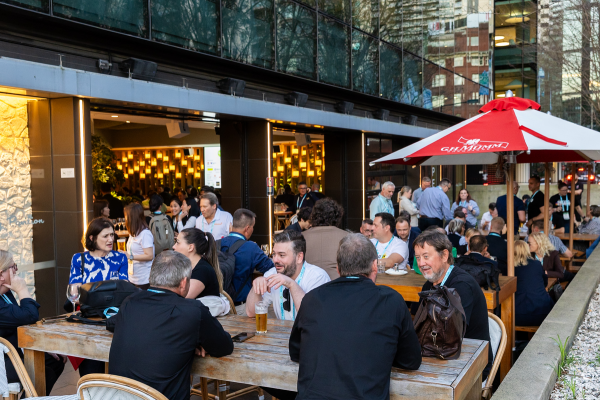
For Allpress Espresso, 2025 marked a deliberate turning point. The brand pulled back from direct-to-consumer channels and shifted its focus to B2B, getting in front of the café owners, hotel groups, and foodservice decision-makers who were actively searching for a new coffee partner. Fine Food Australia was one platform that
Sustainability in hospitality is entering a new, more practical chapter. Rather than being driven by trends, it’s becoming a way for venues to operate more thoughtfully, efficiently and confidently. According to Natalie Bolt, co-founder of Table Food Consultants, sustainability today is less about doing everything at once and more about understanding your business better. “It’s about
In commercial kitchens where margins are tight and every operational decision counts, cooking oil management has quietly become one of the smartest investments an operator can make. It’s not glamorous, but it works. The cost is hiding in plain sight For most kitchens, oil is a significant and recurring cost.
Mental health in the restaurant industry has become one of the sector’s most pressing challenges. With 76% of hospitality workers reporting mental health struggles during their careers, operators who prioritise wellbeing aren’t just doing the right thing. They’re building more resilient, productive teams. The Numbers Tell a Confronting Story Recent
Hospitality is one of the most complex business models in Australia. In today’s economic climate, venues with strong systems consistently outperform those relying on instinct or firefighting. According to James O’Connell, Founder of The Hospitality Company, operators who embrace systemisation gain clarity, control and commercial stability in a way that passion alone can’t deliver. Hospitality
Commercial kitchen profitability, Rising costs, shrinking margins and constant operational pressure are redefining how kitchens need to operate. According to Andrew Briese, Founder of Cooking the Books, profitability now relies less on instinct and more on discipline, consistency and intelligent systems. His core message is simple: a kitchen becomes profitable
Artificial intelligence (AI) isn’t a future concept for hospitality. It’s already reshaping how operators run venues, connect with guests, and manage their business. Leaders across booking software, staffing technology and multi-venue operations agree: operators who begin experimenting now gain a clear commercial edge. Rather than replacing human connection, AI is
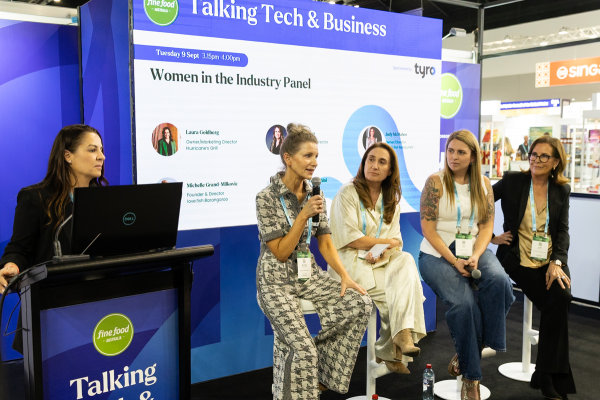
Across Australia, women are reshaping the leadership landscape of hospitality – not by mirroring traditional models, but by introducing new standards of empathy, accountability, confidence and community. Their insights reveal a shift happening across the industry: hospitality performs stronger when leadership is human, values-driven and unashamedly authentic. From overcoming self-doubt
The foodservice and hospitality landscape is evolving, and 2026 is shaping up to be a year defined by sharper expectations, smarter operations and more informed consumers. Across venues, staying connected to emerging trends isn’t about chasing what’s new, it’s about understanding how customer behaviour, technology and supply chains are reshaping
Research reveals that 95% of purchasing decisions are subconscious, driven by emotional responses rather than rational analysis (Research and Metric). It’s a jaw-dropping statistic and one which cannot be overlooked. Increasingly, successful brands are tapping into this insight, focusing on culture, community and emotive storytelling to capture the attention of